
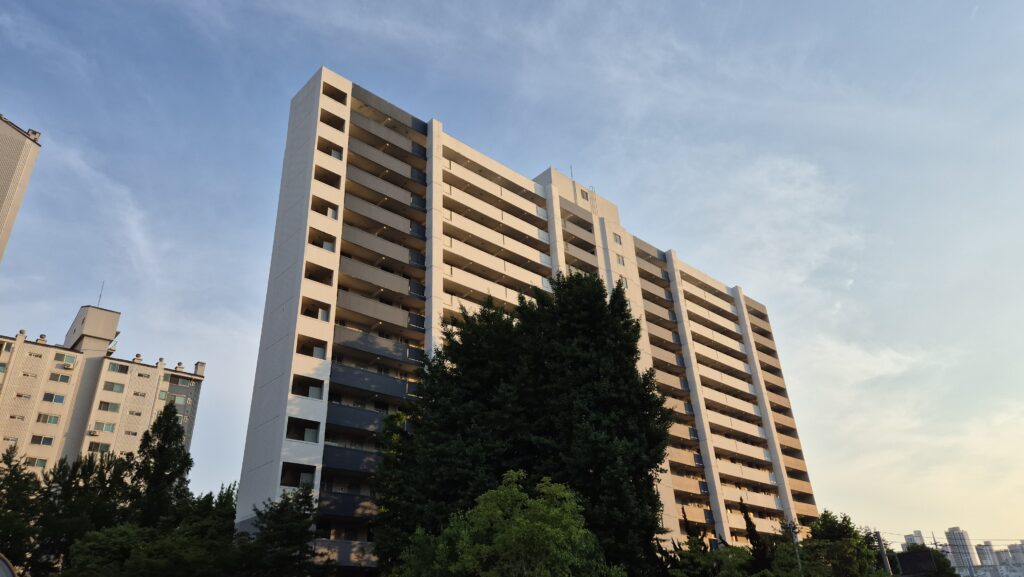
Jeonse (전세) is one of the most unique housing systems in the world, where tenants provide a large deposit instead of paying monthly rent.
Travel the world and you’ll find that every country has its quirks. Strange customs, local habits, things that make perfect sense to locals and leave outsiders completely baffled.
But when it comes to housing, I can’t think of anything more puzzling to foreigners than Korea’s jeonse system.
Most people, when they first hear about it, ask the same question:
“Wait — you hand over a huge sum of money to your landlord, and then you just… don’t pay rent?”
I get it. It sounds strange. Maybe even suspicious.
But for Koreans, jeonse has been a completely normal way to live for generations. And the more I think about it, the more I believe jeonse isn’t just a rental arrangement — it’s a financial system that grew directly out of Korea’s economic history.
Korea Used to Be Very Poor
It’s easy to forget this now.
Korea today is a top-10 global economy. Samsung, Hyundai, K-pop, Michelin-starred restaurants in Seoul. It all feels very established.
But just a few decades ago, the picture looked completely different.
After the Korean War, the country was devastated. Housing was scarce. Most people didn’t have steady incomes, let alone the ability to pay rent every month.
Jeonse emerged from that environment. Not by design. More by necessity.
How It Actually Works
Here’s the basic idea.
A tenant hands over a large lump sum — the jeonse deposit — to the landlord. In exchange, they live in the property, usually for two years, without paying any monthly rent. When the lease ends, the landlord returns the full deposit.
To make it concrete: imagine an apartment worth 100 million won. The jeonse deposit might be set at 80 million won.
That means the landlord only needs 20 million won of their own money to own and occupy the property. The tenant’s deposit covers the rest. The landlord can then use that deposit — invest it, buy another property, run a business with it.
For the landlord, it’s essentially free leverage. For the tenant, it’s a way to live somewhere without bleeding cash every month.
Why Jeonse Worked So Well in Korea
I think jeonse was one of the quiet engines behind Korea’s economic rise. And here’s why.
Landlords could use deposits to build wealth faster than they could through savings alone. Tenants got stable housing without a monthly burn rate. Both sides found something that worked for them.
High interest rates in those earlier decades made the math even more attractive for landlords. Park the jeonse deposit in a bank account and you earned real returns — sometimes significant ones.
Everyone had a reason to participate. And the system spread.
But It Wasn’t Without Problems
Jeonse wasn’t all upside.
Some analysts argue it contributed directly to rising property prices in Korea. And I think they have a point.
Because landlords could acquire properties with minimal personal capital — essentially using tenant money as leverage — they could keep buying more real estate. More buyers, more demand, higher prices.
If you already owned property, jeonse was working for you. If you didn’t, the gap kept widening. The ladder got taller.
Why Jeonse Is Fading
Today, jeonse is declining. Not disappearing, but shrinking.
Interest rates changed. When returns on savings dropped, landlords had less incentive to sit on a big deposit. Monthly rent — steady, predictable — started looking more appealing.
And then came the scams.
There were high-profile cases where landlords couldn’t return deposits at the end of contracts — sometimes because they’d overleveraged, sometimes because of outright fraud. It became a national issue. Trust in the system took a hit.
The Korean rental market is slowly shifting from jeonse toward monthly rent. It’s a change that would’ve seemed unthinkable to a previous generation.
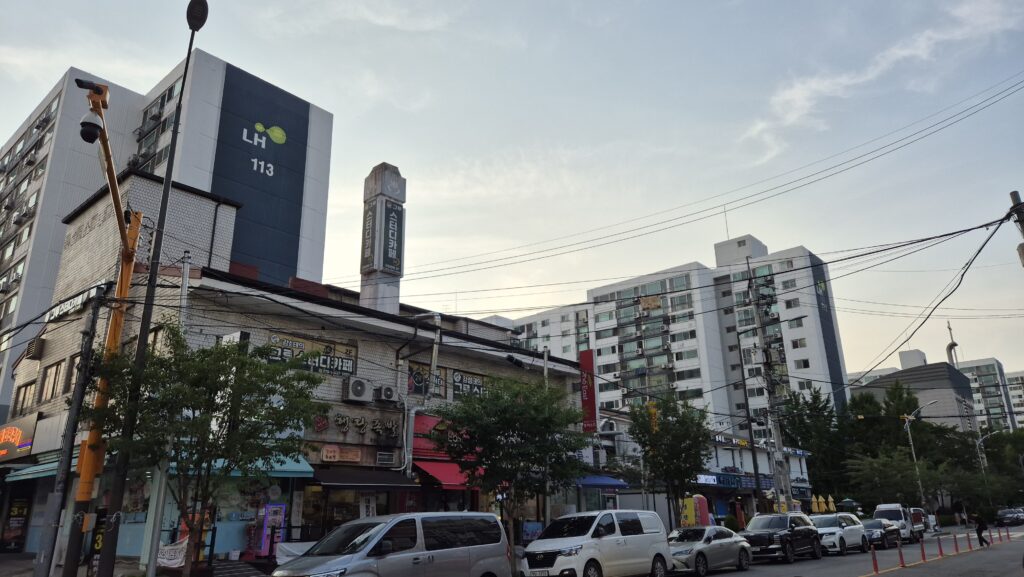
If You’re a Foreigner Living in Korea, Pay Attention
Most foreigners default to monthly rent when they move to Korea. It’s familiar. It makes sense.
But jeonse is worth understanding — especially if you’re planning to stay long-term.
Think about it this way. If your monthly rent is 1 million won, you’re spending 24 million won over two years. That money is gone.
With jeonse, you lock up a large sum upfront, but you get it all back at the end.
There are real risks involved. The deposit size can be enormous. And as we’ve seen, things can go wrong. But the point is — it’s a genuine alternative that doesn’t exist anywhere else in the world.
The foreigners I’ve met who really get Korea tend to be the ones who took the time to understand jeonse.
My Take
Most people encounter jeonse and file it under “weird Korean real estate thing.”
I think that’s the wrong frame.
Jeonse is a window into how Korea thinks about money, risk, and opportunity. It was invented when the country had almost nothing, and it helped millions of people build stability — and sometimes wealth — out of very little.
Understanding jeonse isn’t really about understanding Korean housing.
It’s about understanding Korea.