
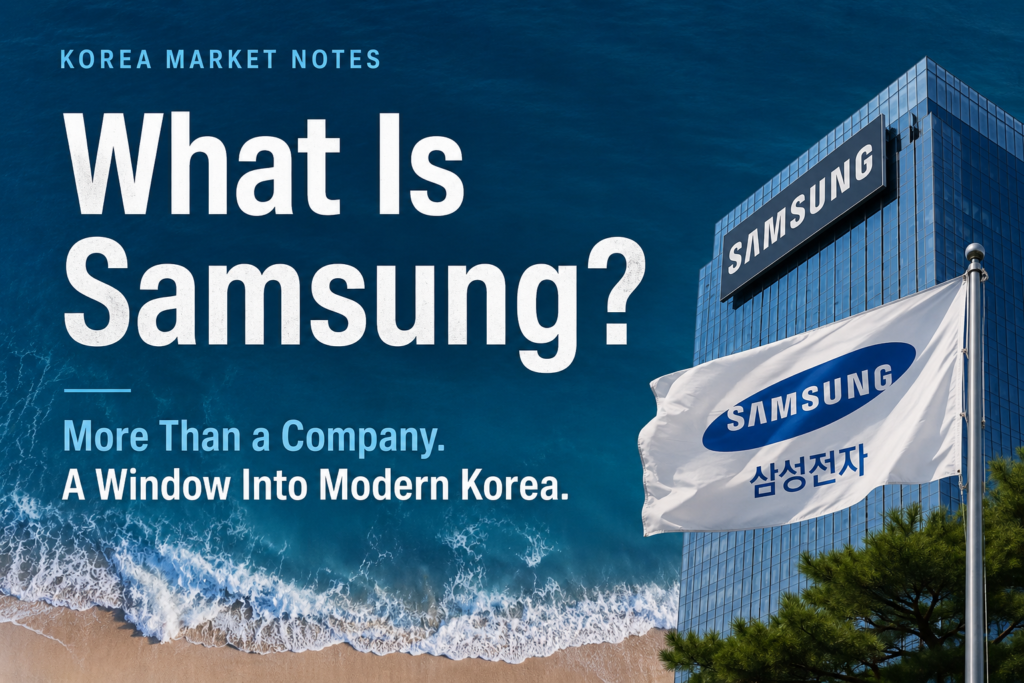
Samsung Is More Than Just a Company
If you ask people outside Korea what Samsung is, most will give a simple answer.
“Isn’t it the company that makes Galaxy smartphones?”
That’s not wrong.
In fact, I once had a funny experience while traveling abroad.
I met someone using a Samsung smartphone and casually said,
“You know that’s a Korean product, right?”
He laughed and replied,
“No way. Korea makes this?”
At first, I thought he was joking.
But then I realized something important.
Many people know Samsung.
Far fewer people realize just how closely Samsung is connected to Korea.
Samsung Electronics is one of the world’s largest smartphone manufacturers and one of the most important memory chip producers on the planet.
But in Korea, Samsung means much more than electronics.
For many Koreans, Samsung is not simply a company. It is a symbol of the country’s industrialization, economic growth, and global success.
Understanding Samsung is one of the easiest ways to understand modern Korea.
Samsung Was Not Originally an Electronics Company
Many people assume Samsung started as a technology company.
It didn’t.
Samsung began in 1938 as a small trading business in the city of Daegu.
Its founder, Lee Byung-chul, sold products such as dried fish, vegetables, and noodles.
At the time, nobody could have imagined that this small trading company would eventually become one of the world’s most influential business groups.
Over the following decades, Samsung expanded into construction, insurance, chemicals, retail, finance, and electronics.
This willingness to enter new industries became one of the foundations of Samsung’s growth.
Samsung Grew Alongside Korea
After the Korean War, South Korea was one of the poorest countries in the world.
Beginning in the 1960s, the government pushed export-driven industrialization, and large family-controlled business groups became the engines of economic growth.
In Korea, these groups are known as chaebols.
Samsung is perhaps the most famous example.
In fact, many Koreans use expressions such as “the Samsung family” or “the Samsung empire” when talking about the group’s influence.
That may sound exaggerated to outsiders, but it reflects how deeply Samsung is woven into Korean society.
Samsung invested aggressively in manufacturing and technology.
As Korea grew richer, Samsung grew larger.
And as Samsung expanded globally, it helped introduce Korea to the rest of the world.
For millions of people, Samsung was their first encounter with a Korean brand.
Samsung Is Not One Company
Another common misunderstanding is that Samsung is a single corporation.
It isn’t.
Samsung is a group made up of many affiliated companies.
Some of the best-known include:
Samsung Electronics
Samsung Life Insurance
Samsung Fire & Marine Insurance
Samsung C&T
Samsung Biologics
Samsung SDS
And that list only scratches the surface.
Most foreigners know Samsung because of smartphones.
Many Koreans know Samsung because its businesses reach into finance, construction, healthcare, technology, and everyday life.
Why Is Samsung So Important in Korea?
Every country has large corporations.
The United States has Apple and Microsoft.
Germany has Volkswagen.
Japan has Toyota.
But Samsung occupies a uniquely important position within Korea.
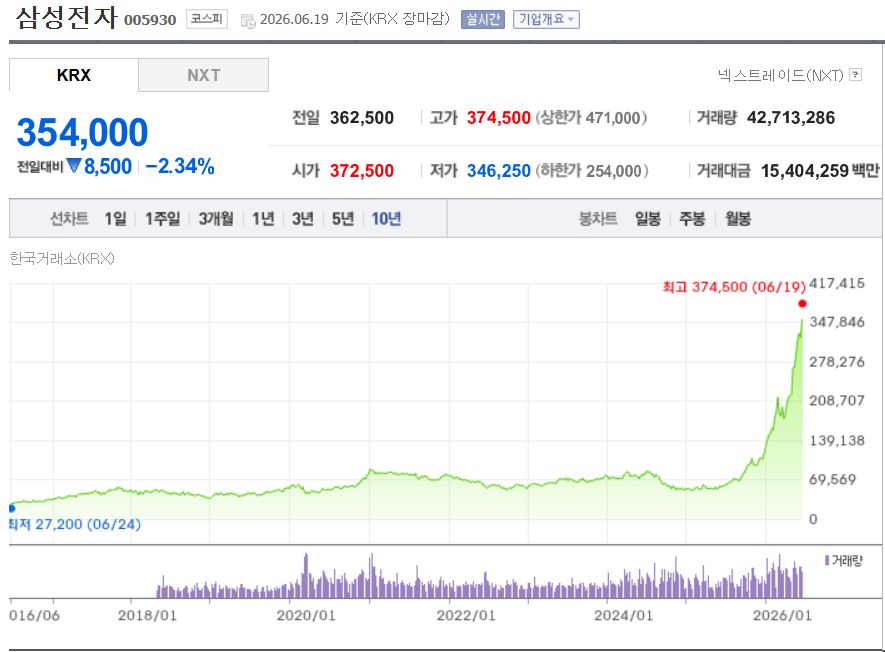
Samsung Electronics earnings often become front-page news.
Government officials pay attention to Samsung’s investment plans.
The National Pension Service owns a significant stake in Samsung Electronics.
Samsung also represents a large portion of the Korean stock market.
This is why conversations about Samsung often become conversations about the Korean economy itself.
When Samsung performs well, many Koreans feel optimistic.
When Samsung struggles, people pay attention.
Few companies have that level of influence.
For Many Koreans, Samsung Is Still a Dream Employer
For decades, Samsung has been one of the most desirable employers in Korea.
The reasons are straightforward:
Competitive salaries
Strong benefits
Career development opportunities
Social prestige
Recently, Korean media has frequently reported large performance bonuses paid by major semiconductor companies such as Samsung Electronics and SK Hynix.
As a result, many university students still view these companies as among the best places to build a career.
Career preferences are changing.
Startups are growing.
Technology companies are attracting talent.
Yet Samsung remains one of the most recognizable symbols of professional success in Korea.
Samsung Has Become a Global Company
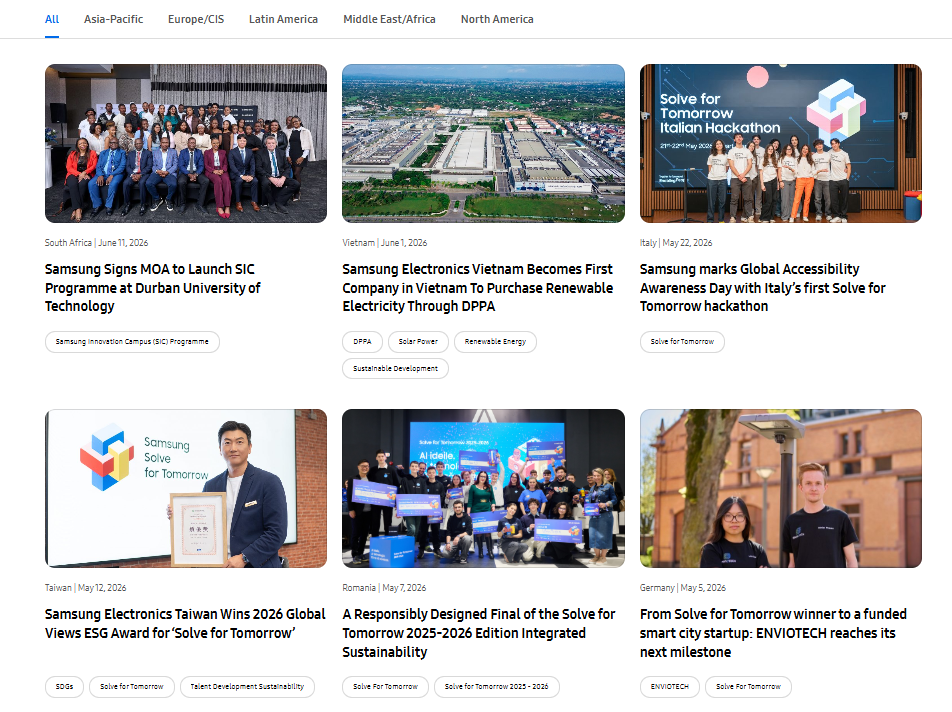
Today, Samsung’s influence extends far beyond Korea.
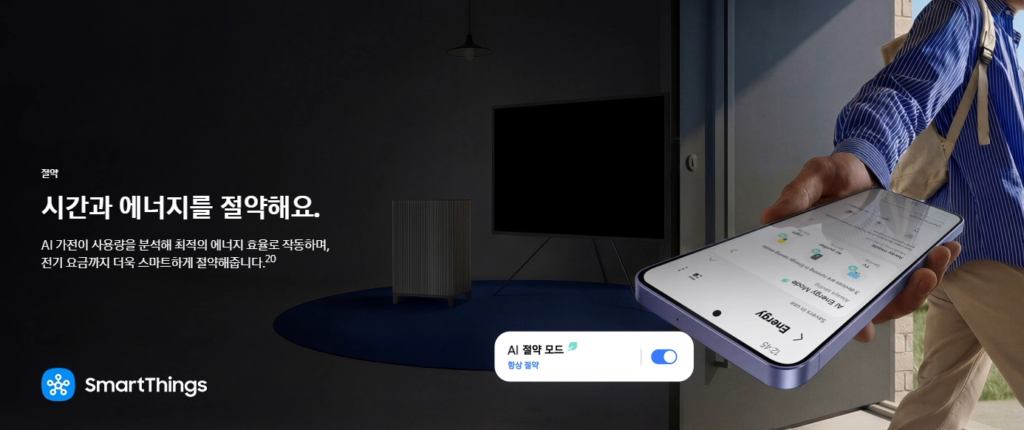
Its major businesses include:
Smartphones
Semiconductors
AI infrastructure
Biotechnology
Consumer electronics
Hundreds of millions of people use Samsung products every day.
Many of them may never visit Korea.
Yet they interact with a Korean company every time they unlock their phone, turn on a television, or use a memory chip-powered device.
TedChang’s Note
When people hear the word Samsung, they usually think about smartphones and semiconductors.
Koreans see something bigger.
Walk into almost any Korean home and you will probably find at least one Samsung product.
Maybe it’s a television.
Maybe it’s a washing machine.
Maybe it’s a monitor, vacuum cleaner, refrigerator, or smartphone.
Of course, Samsung’s biggest domestic rival, LG, is everywhere too.
But that is exactly the point.
Samsung is not simply a company that Koreans know.
It is a company Koreans live with.
For older generations, Samsung represents Korea’s industrial rise.
For job seekers, it represents opportunity.
For investors, it represents the Korean stock market.
And for many foreigners, Samsung is often the first Korean brand they ever encounter.
That is why Samsung is more than just a company.
In many ways, Samsung is a small window into understanding modern Korea.
And this is only the beginning.
In future articles, we’ll take apart the Samsung story piece by piece and explore how one company became such an important part of Korea’s identity.